The morning of a wedding is one of our favourite parts of the day to photograph. It’s busy, sometimes a little chaotic, and charged with an energy that’s entirely its own – quite different from anything that comes later.
We typically arrive around two hours before the ceremony, though this varies from wedding to wedding and we’ll often start earlier or later if the morning calls for it. From the moment we walk in, we’re working – quietly, unobtrusively, in the background. The aim, as with everything we do, is to let the morning unfold naturally and document it as it actually happens.
What we’re looking for
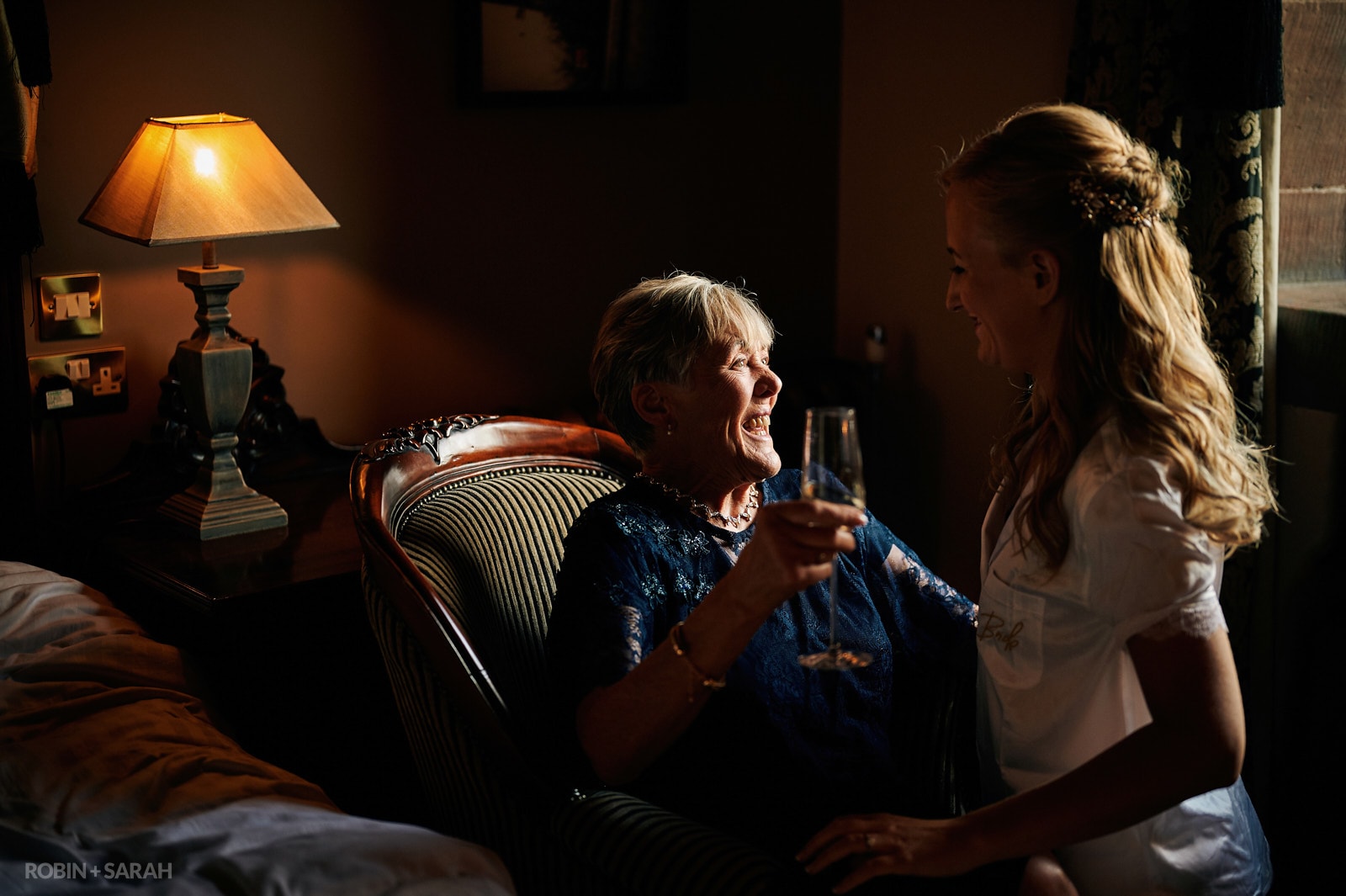
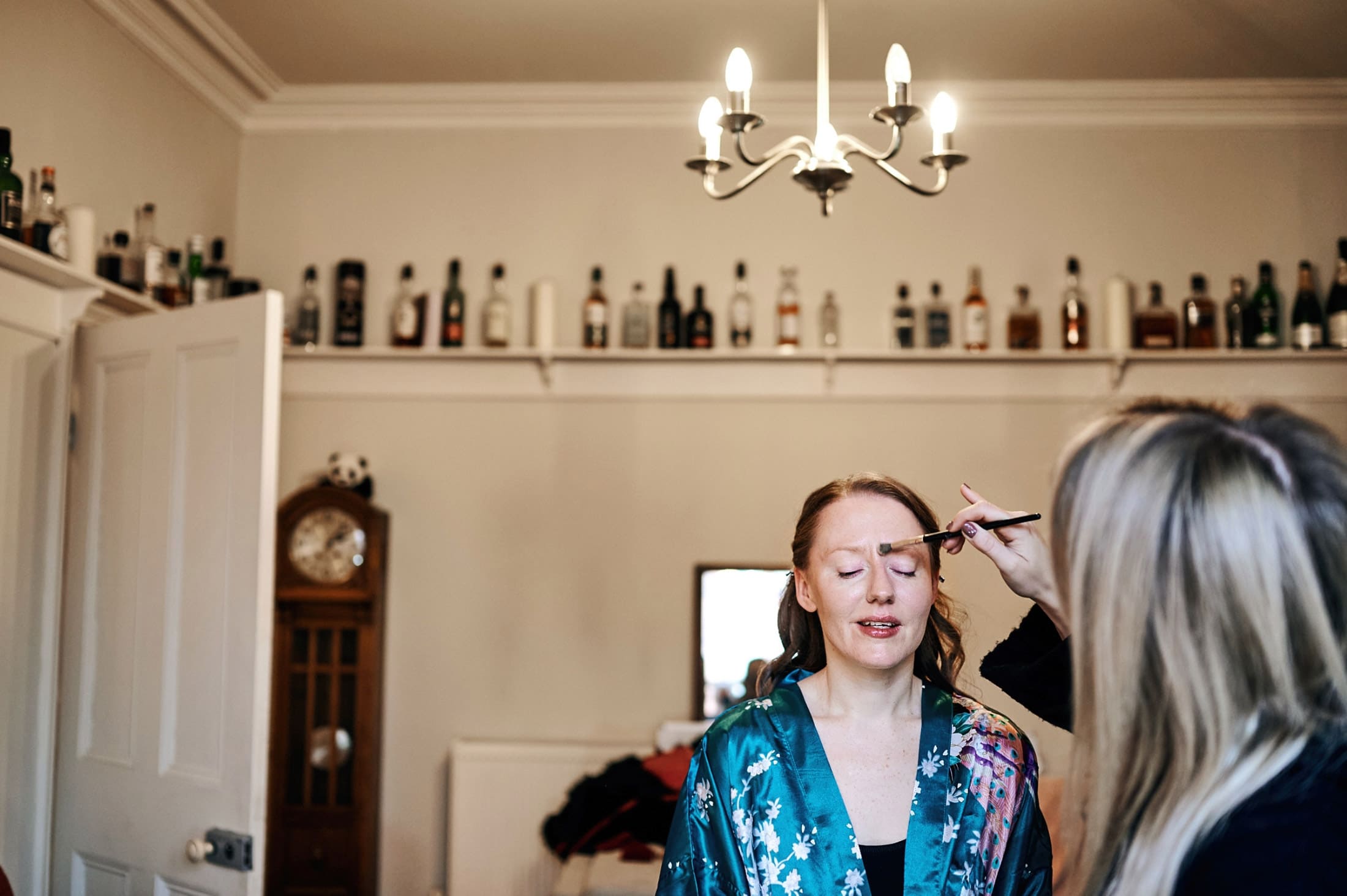
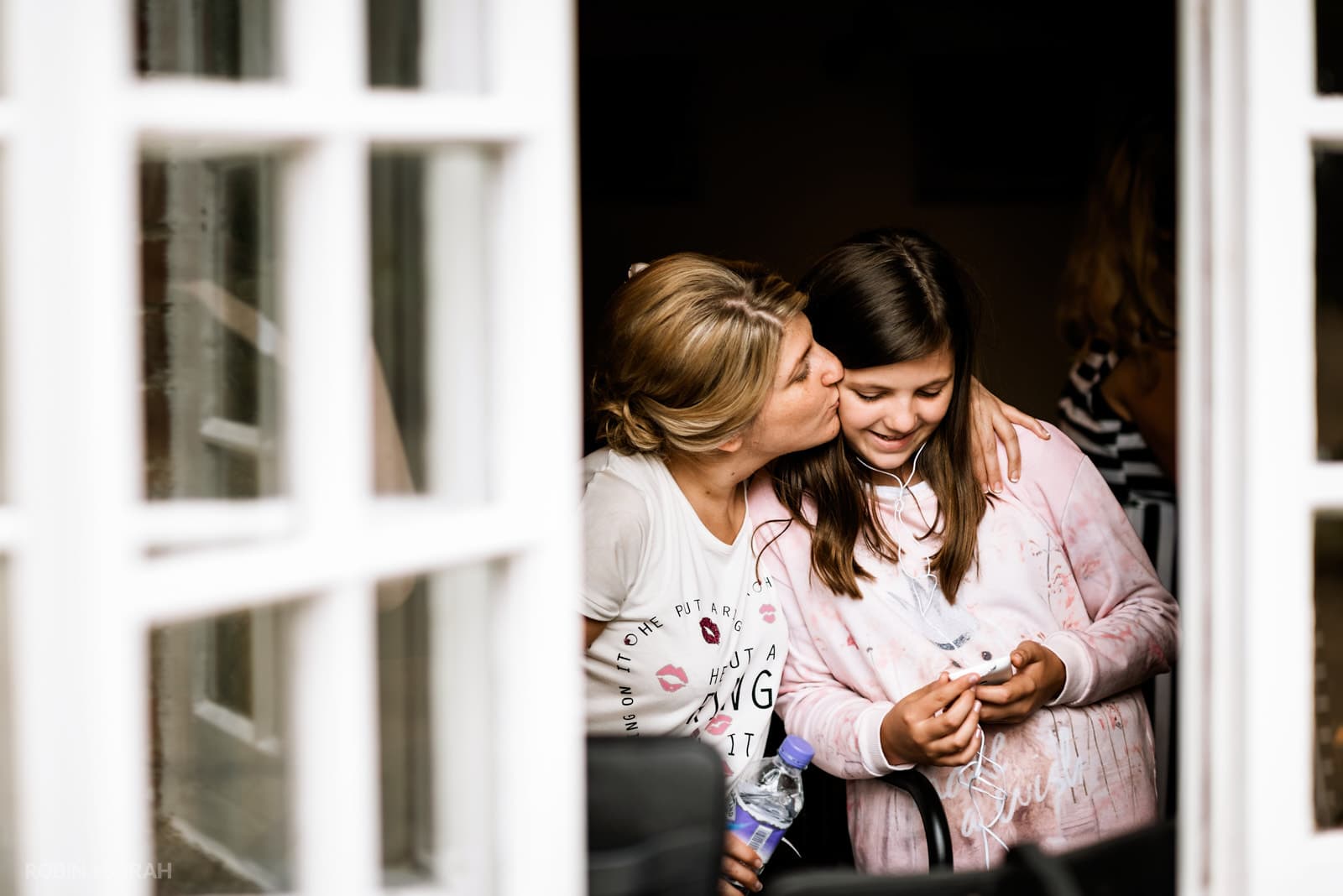
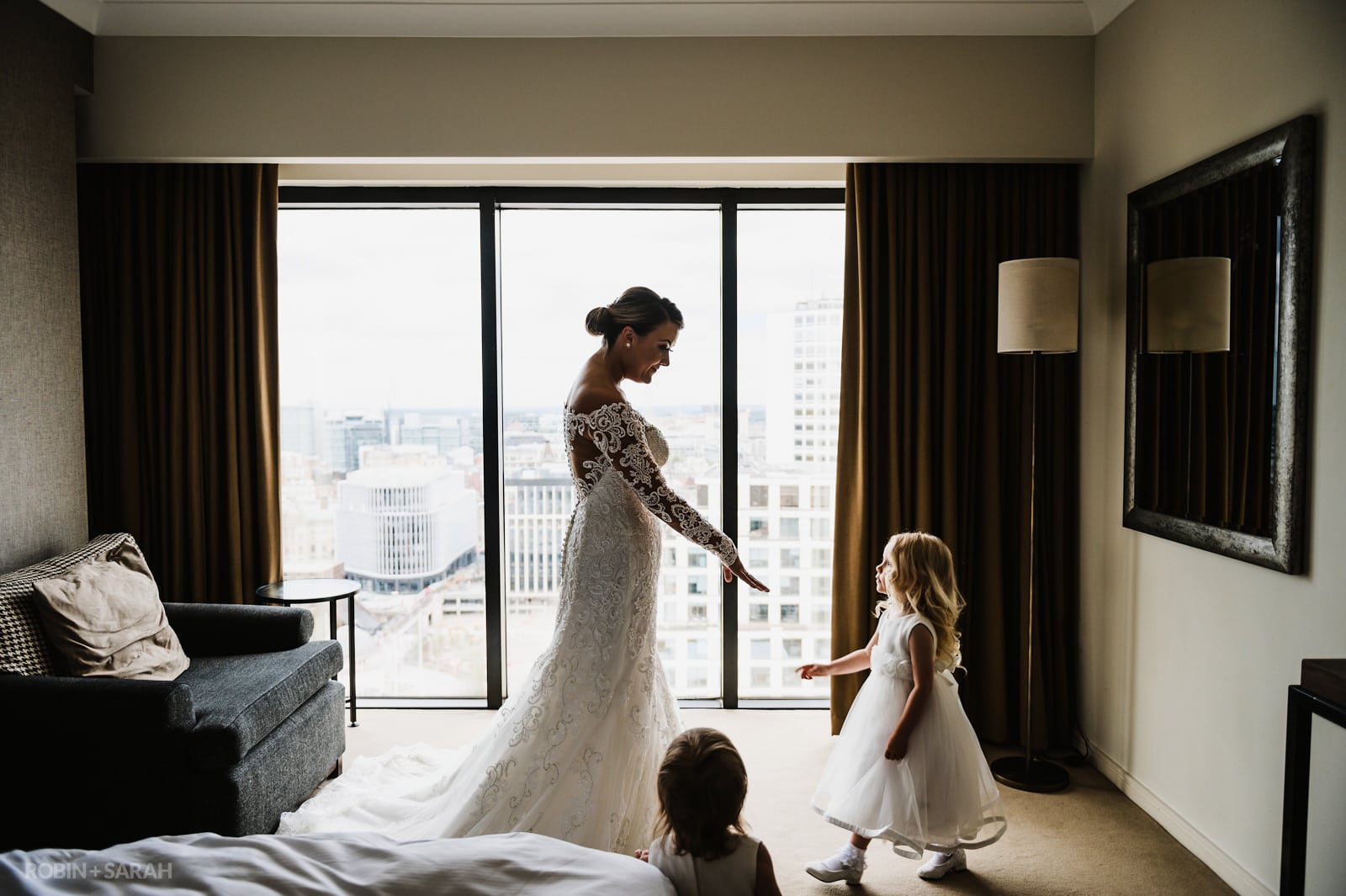
The getting ready photographs aren’t really about makeup being applied or ties being fastened. Those things are part of the morning, and we’ll photograph them, but they’re just incidental. What we’re actually looking for are the people – the relationships, the small interactions, the atmosphere of a group of people who love each other gathered together before one of the most significant moments of their lives.
A groom reading a card from his soon-to-be wife. A wedding dress being fastened by a mum, a sister, a best friend. The bridesmaids’ reaction as they see her properly dressed for the first time. A grandfather’s face when he’s given a gift by his granddaughter. These are the moments that make morning coverage worth having — not because they’re staged or sought out, but because they happen naturally when the right people are together in the same room and someone is paying quiet attention.
No direction, no re-takes. Just honest moments that mean something.

The Details
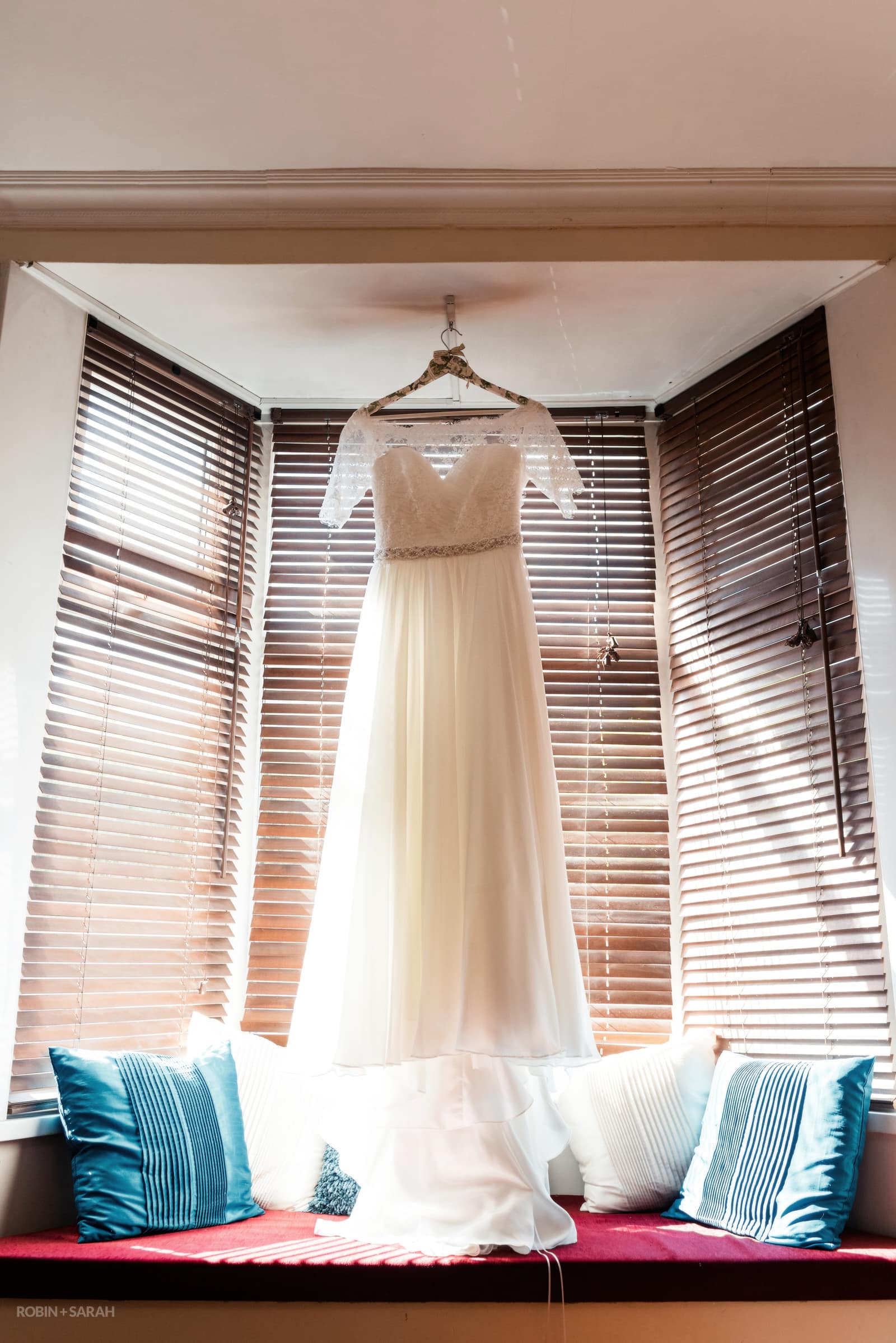
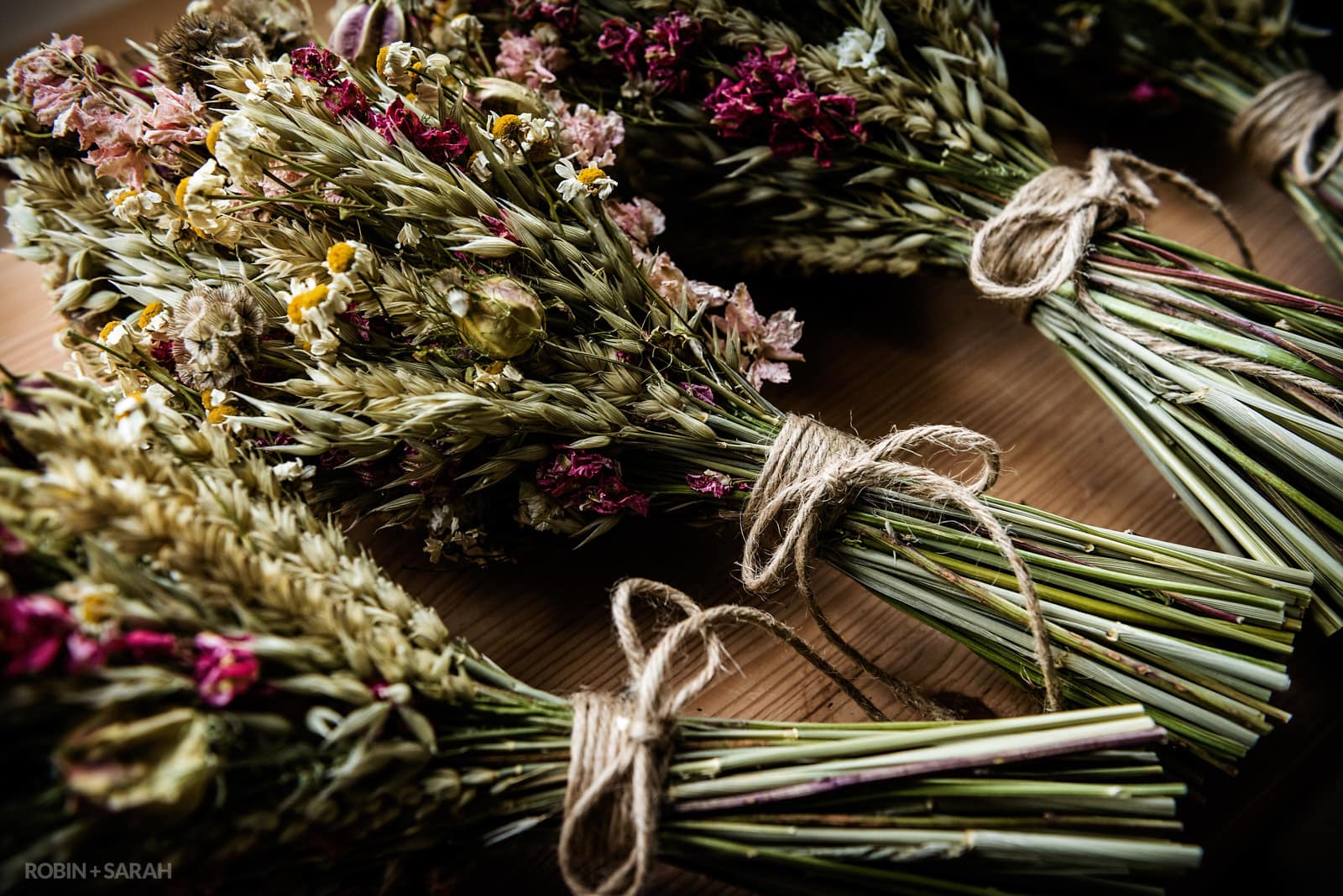
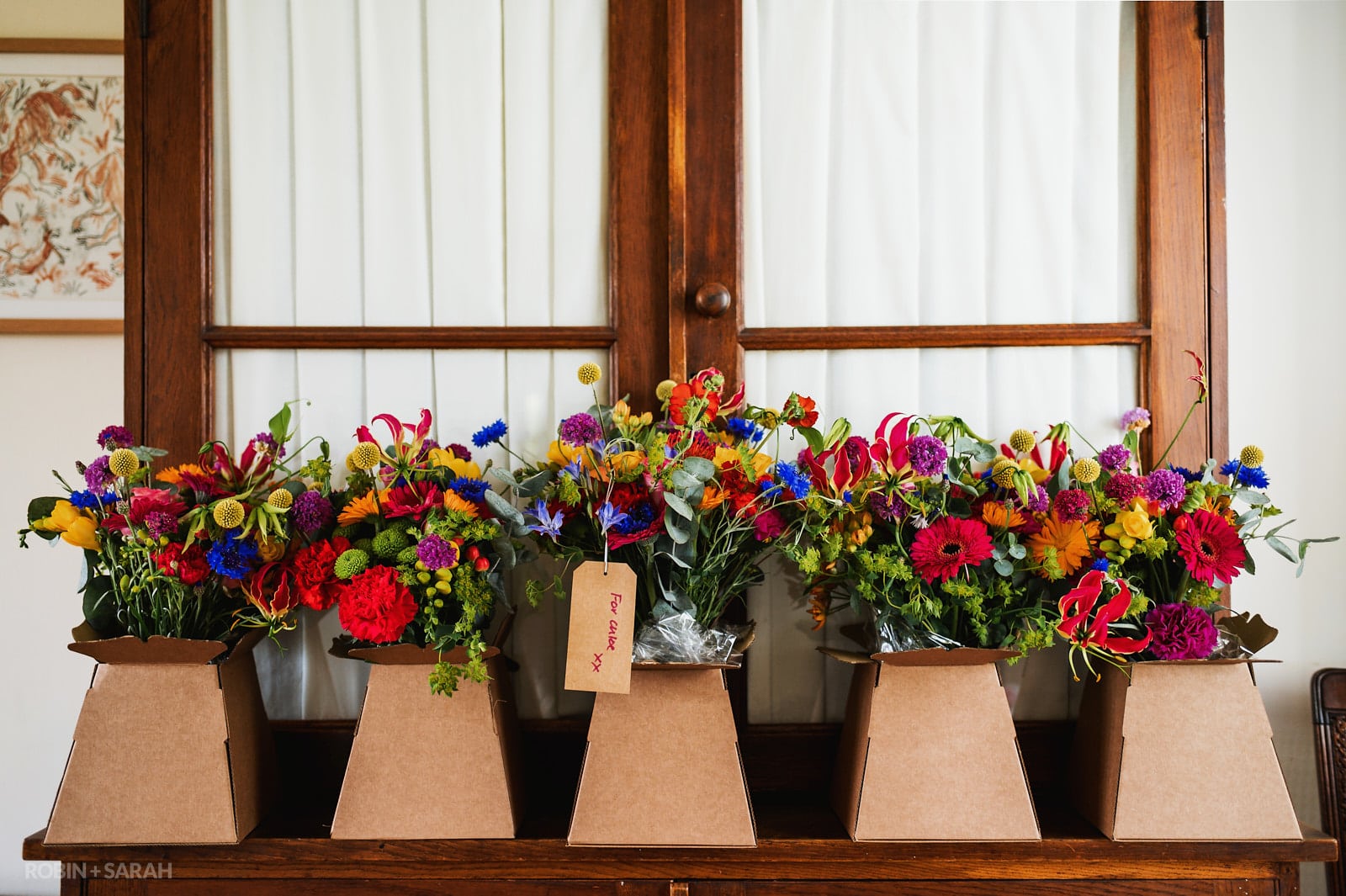
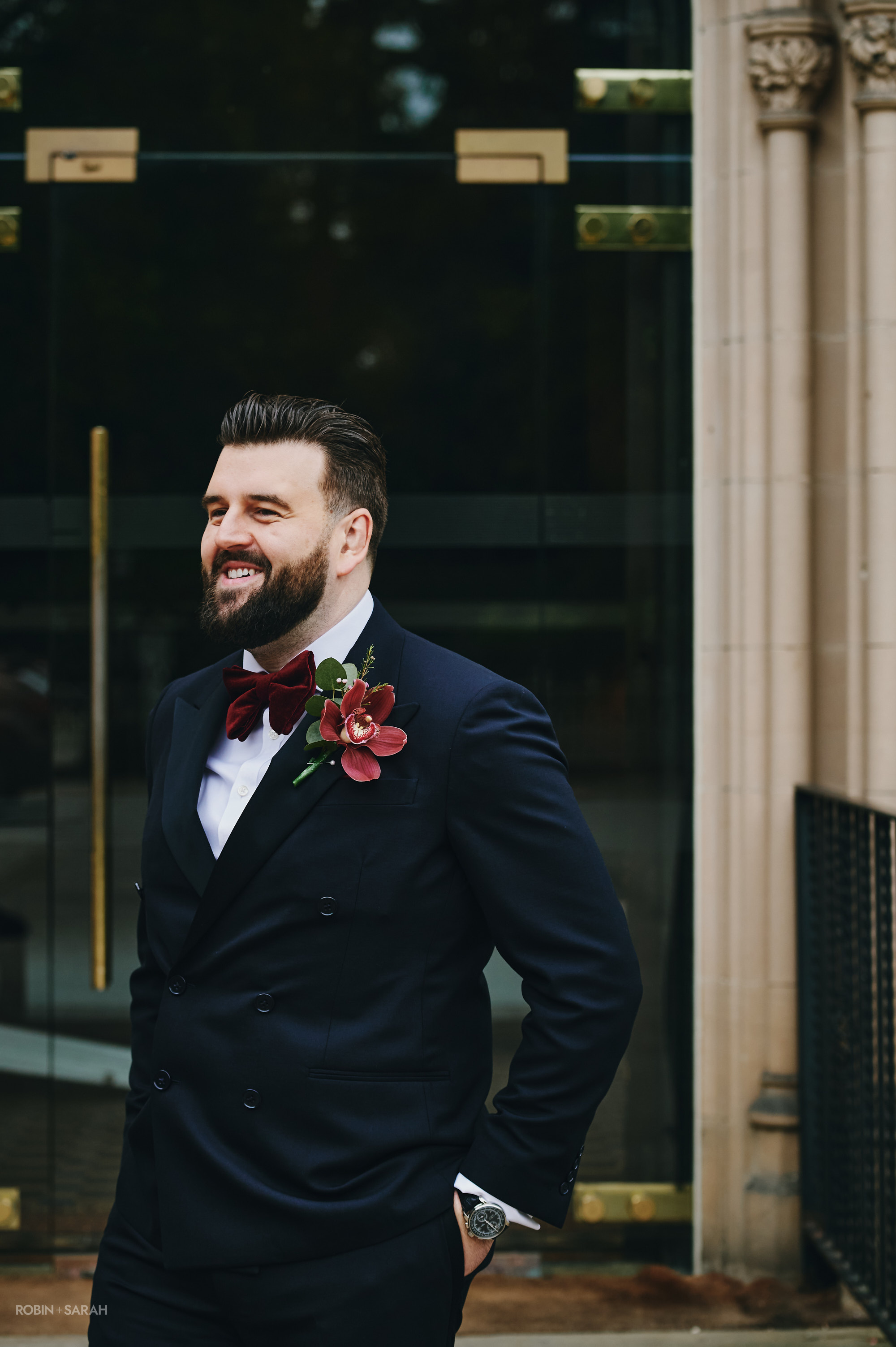
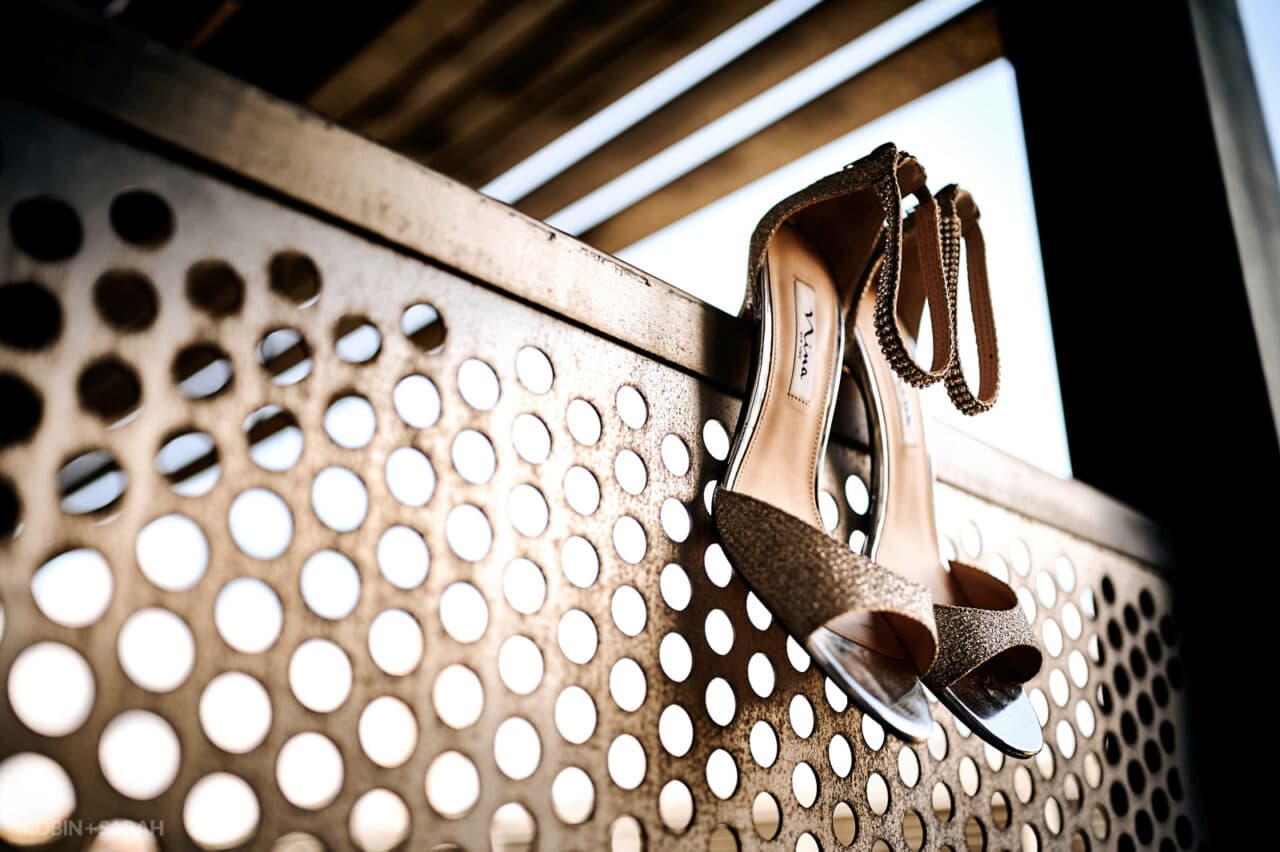
The details – the dress, the shoes, the bouquet, the buttonholes – are usually the first thing we photograph when we arrive. It gives us a chance to settle into the morning properly before things get busier, and it means the detail shots are done and out of the way before the preparations reach their most hectic point.
These aren’t just inanimate objects. They’re personal choices that reflect who you are, and they deserve to be photographed well. We’ll find the best available light in the room and take the time to do them properly. It doesn’t take long, but it makes a difference.

Where you get ready
Where you choose to get ready has a genuine bearing on how the morning photographs. Two things matter more than anything else: space and light.
Space affects everything – how freely people can move, how the room feels, how the morning flows. A cramped hotel room with a large wedding party can quickly become stressful in a way that shows in the photographs. Wherever possible, having enough room for people to move about, somewhere comfortable to sit, and space for dresses and bags to be kept out of the way makes a real difference to how the morning looks and feels.
Light is the other factor. The best getting ready photographs tend to come from spaces with good natural light – rooms with tall windows, high ceilings, or simply a generous amount of daylight coming in. We’ll always work with whatever light is available, but a well-lit space gives us considerably more to work with. If you’re choosing between two options and one has better natural light, it’s worth factoring in.
Time for a Portrait
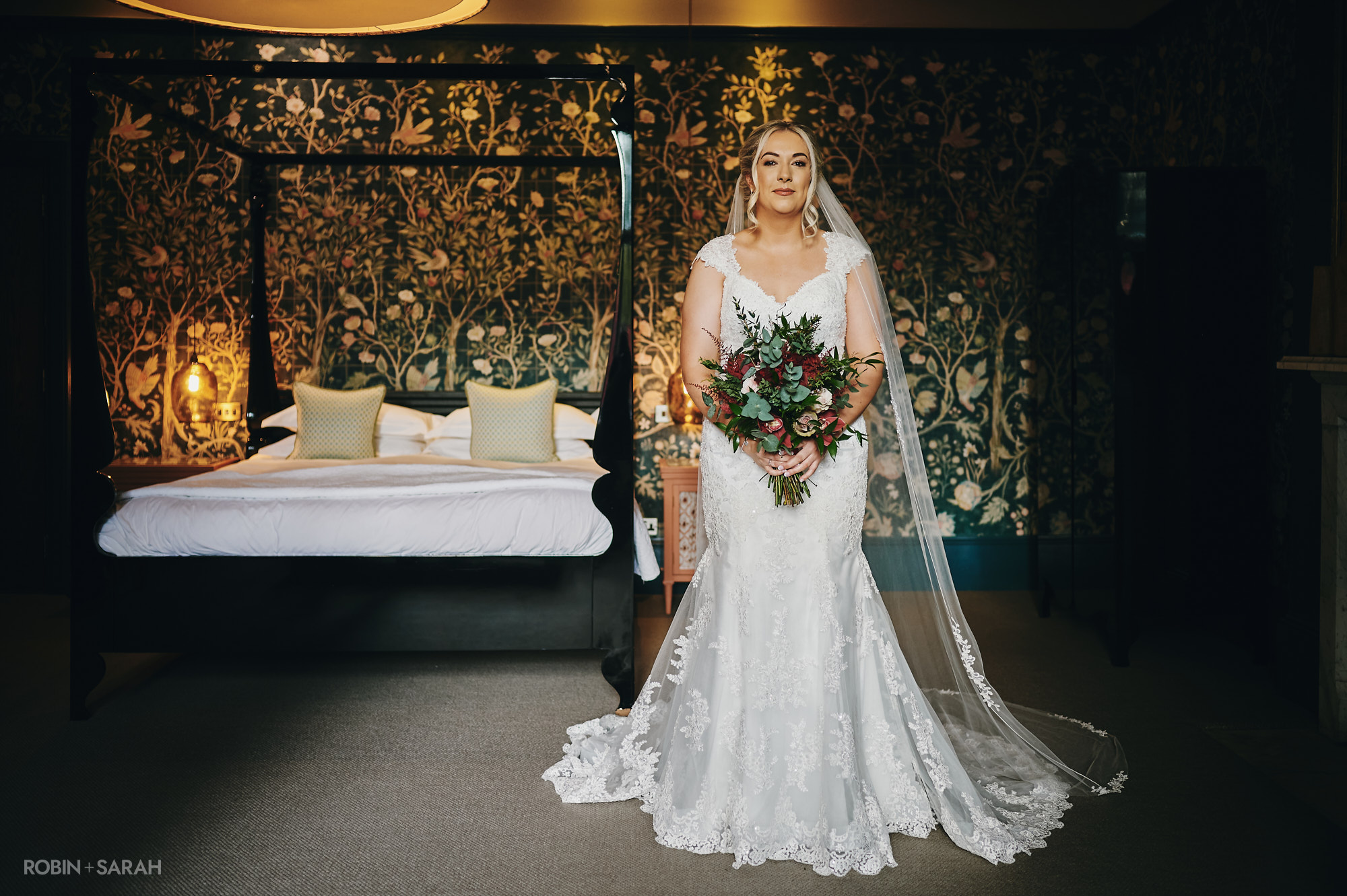
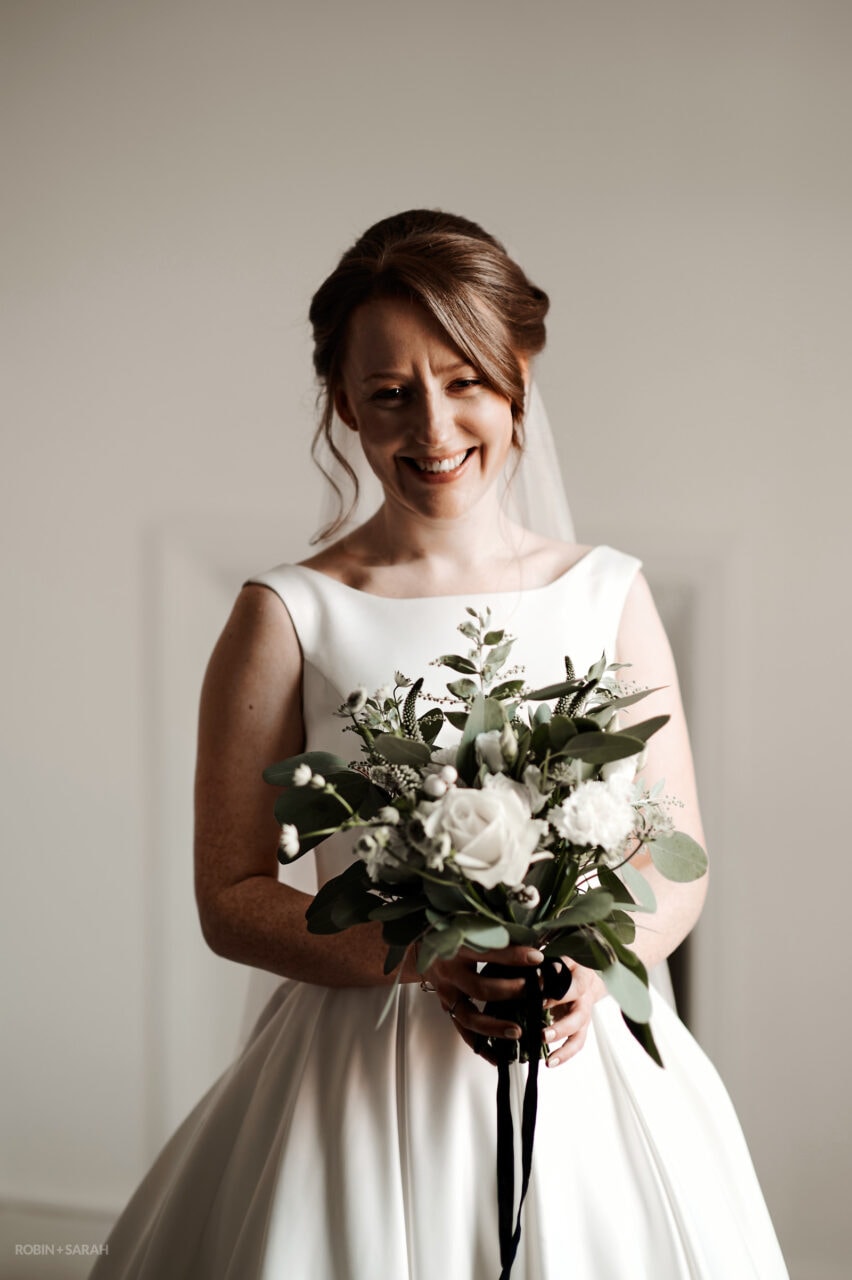
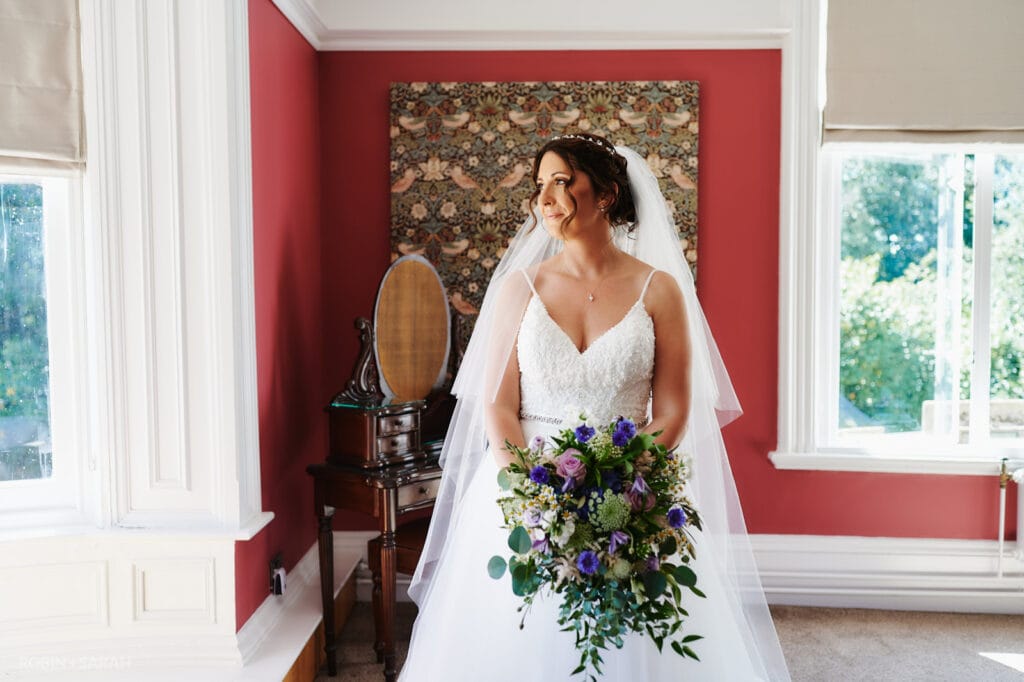
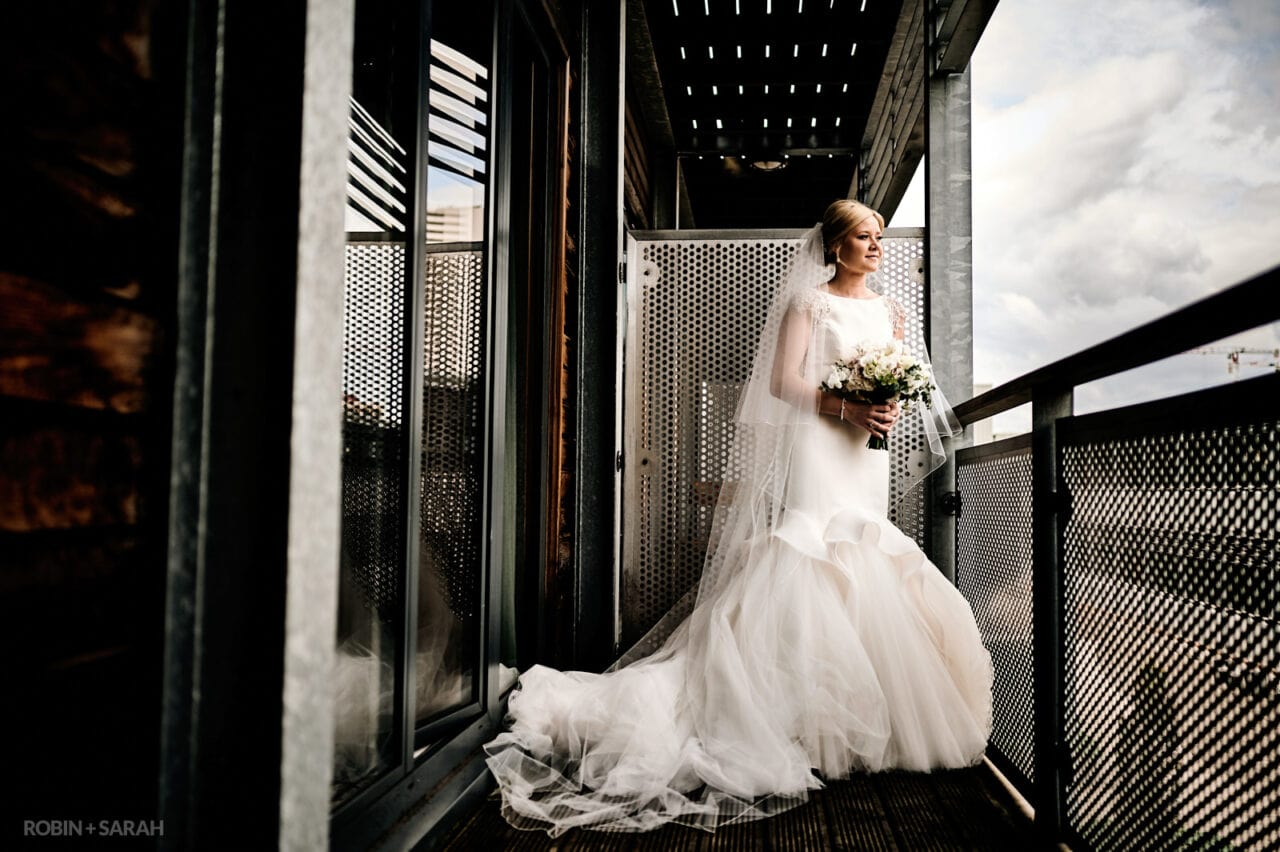
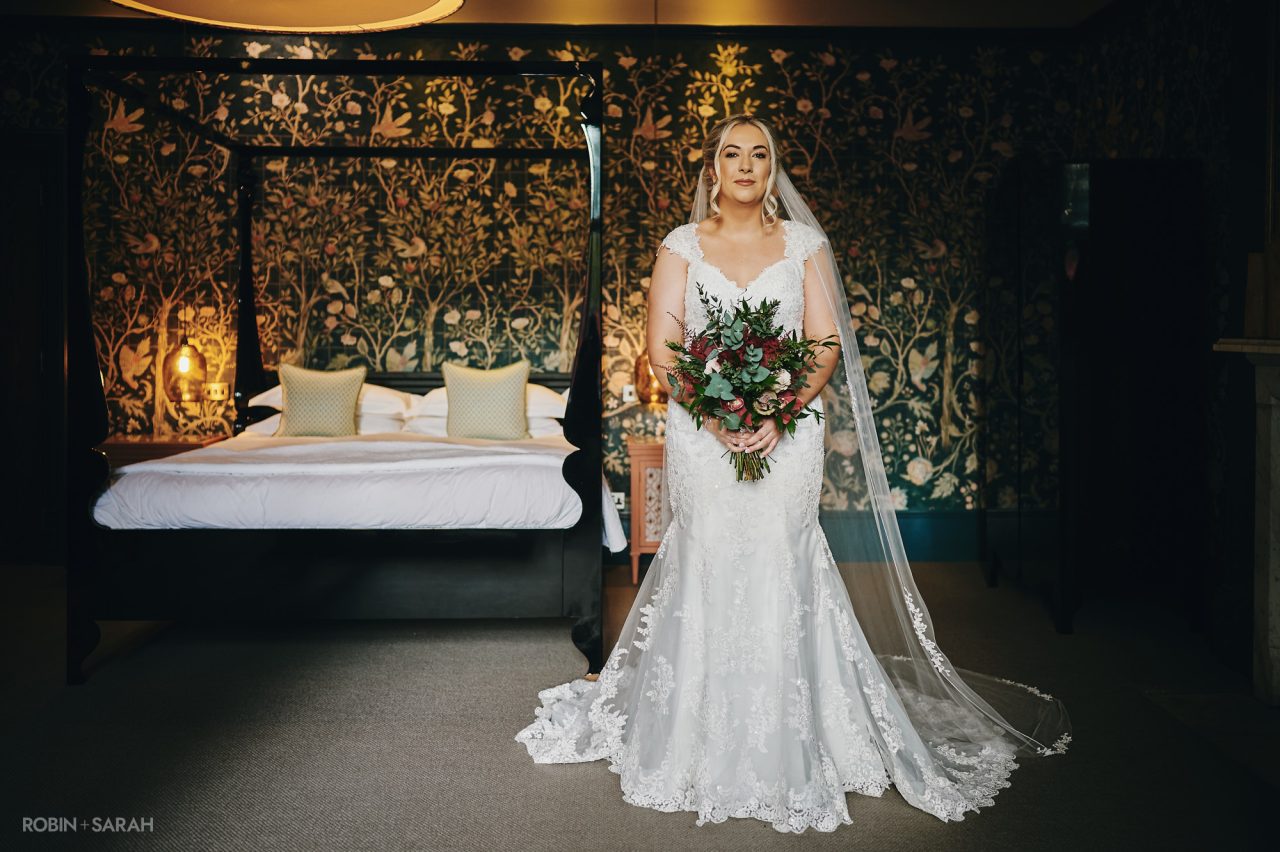
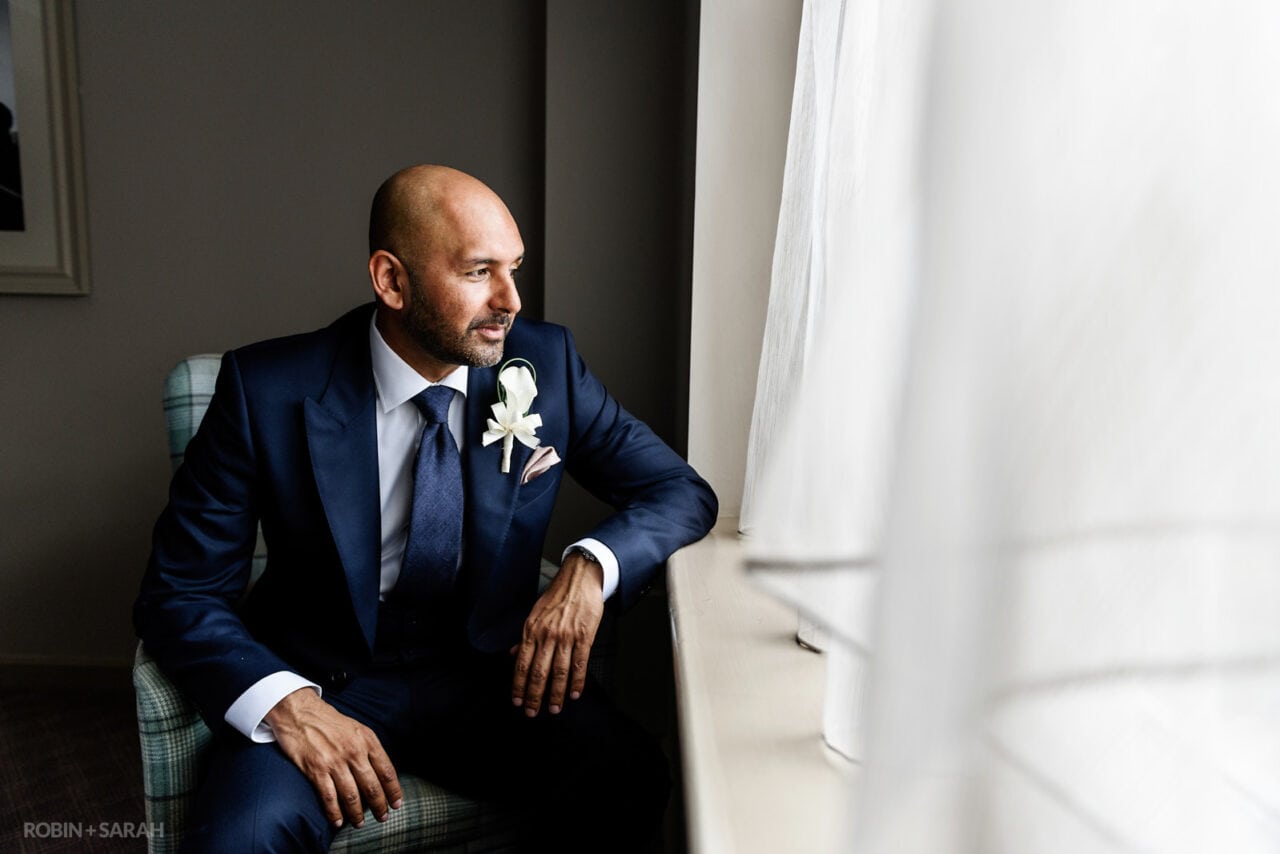
Amongst all the candid, documentary coverage of the morning, we always set aside a few minutes – usually just before you leave for the ceremony – to take a proper portrait. Not stiff or overly formal, but considered: you at your best, fully ready, in a setting and light that does you justice.
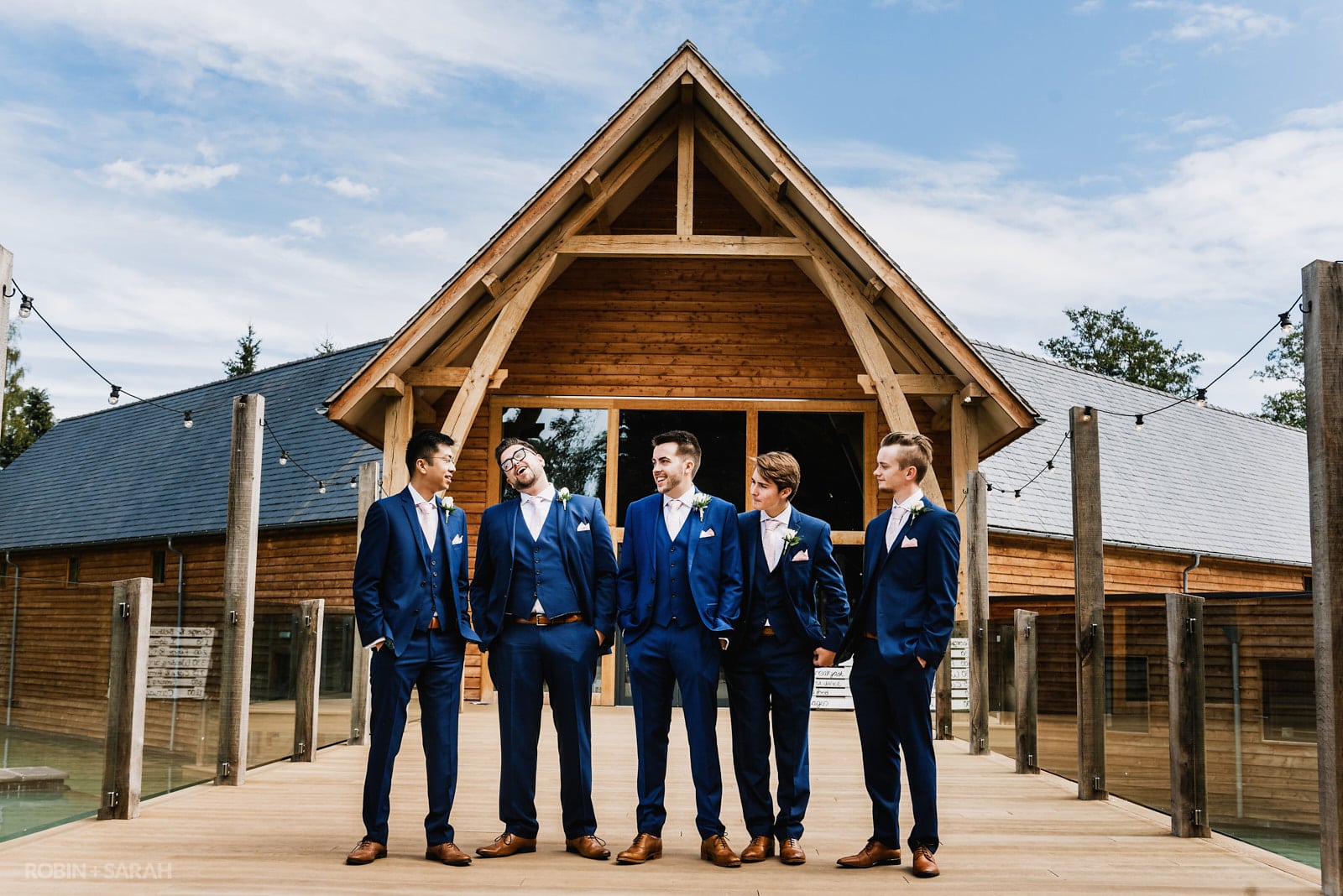
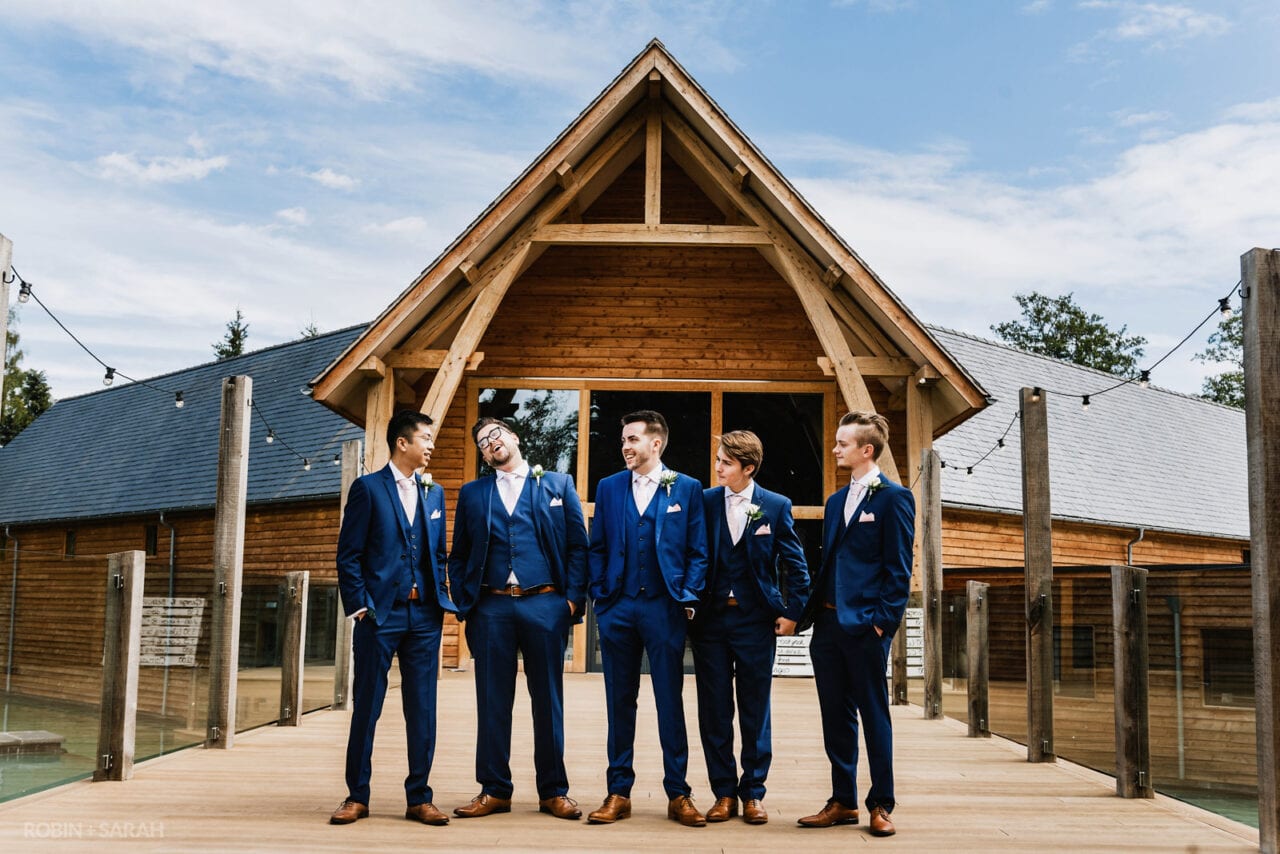
It’s one of the most looked-back-on photographs from the whole day, and it’s worth allowing a little time for it. Around ten minutes is usually enough. We’ll find the right spot, make the most of the available light, and keep it relaxed. A couple of group shots with the wedding party typically happen at this point too.




Timings
The morning tends to have a rhythm of its own, and keeping broadly to it makes everything easier. Arriving two hours before the ceremony is our usual starting point, but the more important thing is that the morning has enough breathing room — time for the details, the candid moments, the portrait, without everything feeling rushed at the end.
Hair and makeup almost always takes longer than expected, particularly with larger wedding parties. An experienced stylist will give you a realistic sense of how long the process will take and in what order everyone needs to be done. It’s worth pinning this down well in advance.
For the groom’s party, the morning tends to move more quickly but the principle is the same — we’d rather have time to spare than be cutting it fine. A portrait and a group shot of the groom’s party work best done before guests begin to arrive at the venue, after which it becomes very difficult to get people together.
Registrar Interview
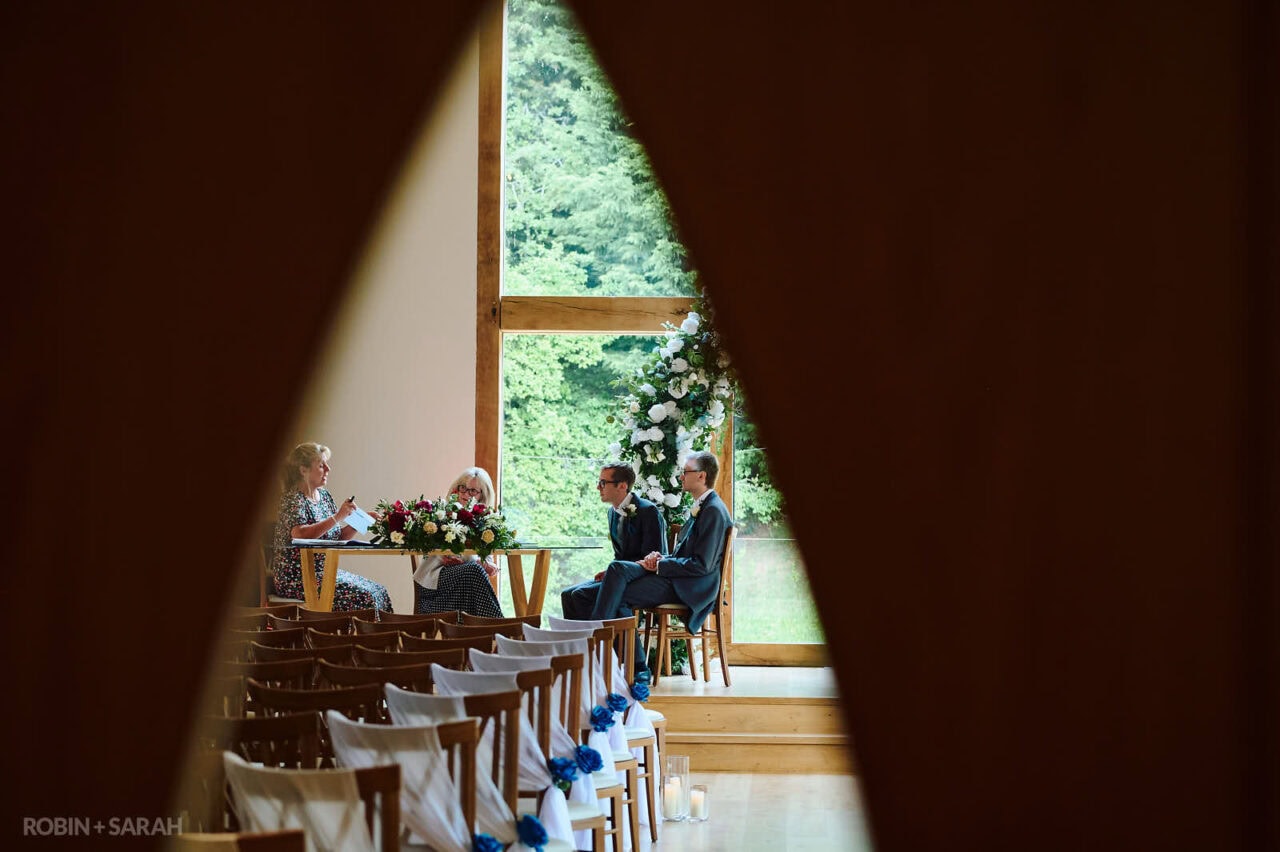
If you’re having a civil ceremony, the registrar will conduct a short private interview with you before the service – a legal requirement to confirm everything is in order. This interview tends to leave very little time for anything else afterwards, so being fully ready before it begins, with photographs already done, makes for a much more relaxed start to the ceremony.
One photographer or two
With Robin alone, he’ll typically be with the bride’s party through the morning. Some grooms are happy to meet us at the venue rather than having their preparations covered, and that works perfectly well.
With both of us there, we can cover both parties simultaneously — Robin with one, Sarah with the other — which means the full story of the morning is told from both sides. If that matters to you, it’s one of the strongest arguments for booking the two of us.
There’s more detail on how the single and two-photographer options compare across the whole day on our one photographer or two page.
Where next?
The morning preparations are just the beginning of a very full day. If you’d like to know more about how we approach a specific part of the day, these links cover each section in detail.
If you’re ready to talk about your wedding, we’d love to hear from you. Take a look at our packages and pricing, or get in touch directly to arrange a conversation.