The ceremony is the heart of the day — the moment everything has been building towards. It’s also, in many ways, the most demanding part of the day to photograph well. The room is formal, movement is restricted, and there’s no second chance at any of it.
Between us, Robin and Sarah have photographed a huge range of ceremony types over the years – Church of England, Roman Catholic, Baptist, Methodist, civil, humanist, Hindu, Islamic, Jewish and more. Each has its own structure, its own atmosphere and its own particular moments worth looking for. What they all have in common is that they pass very quickly, and that the best photographs from them are almost never the ones anyone planned.
Arrivals
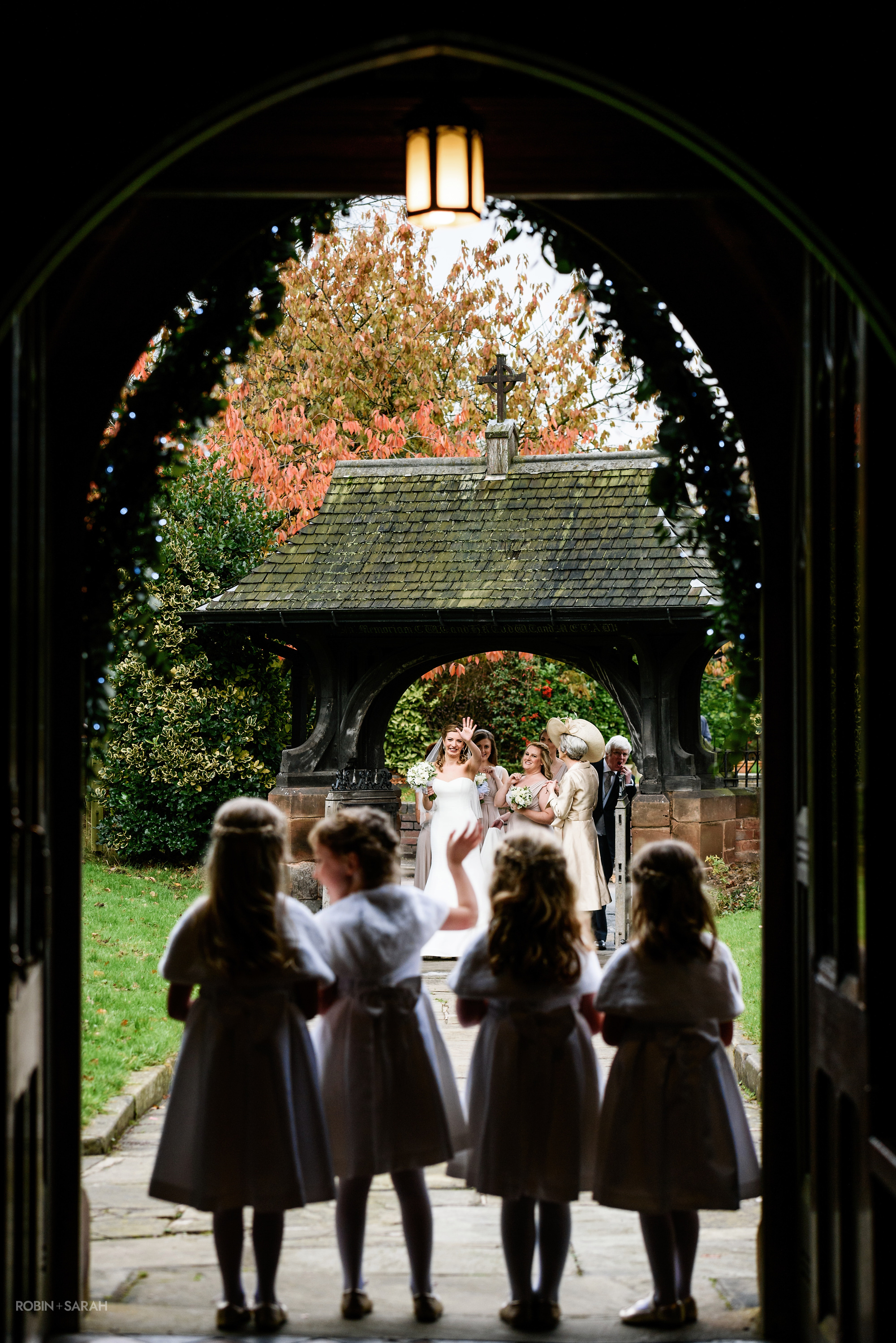
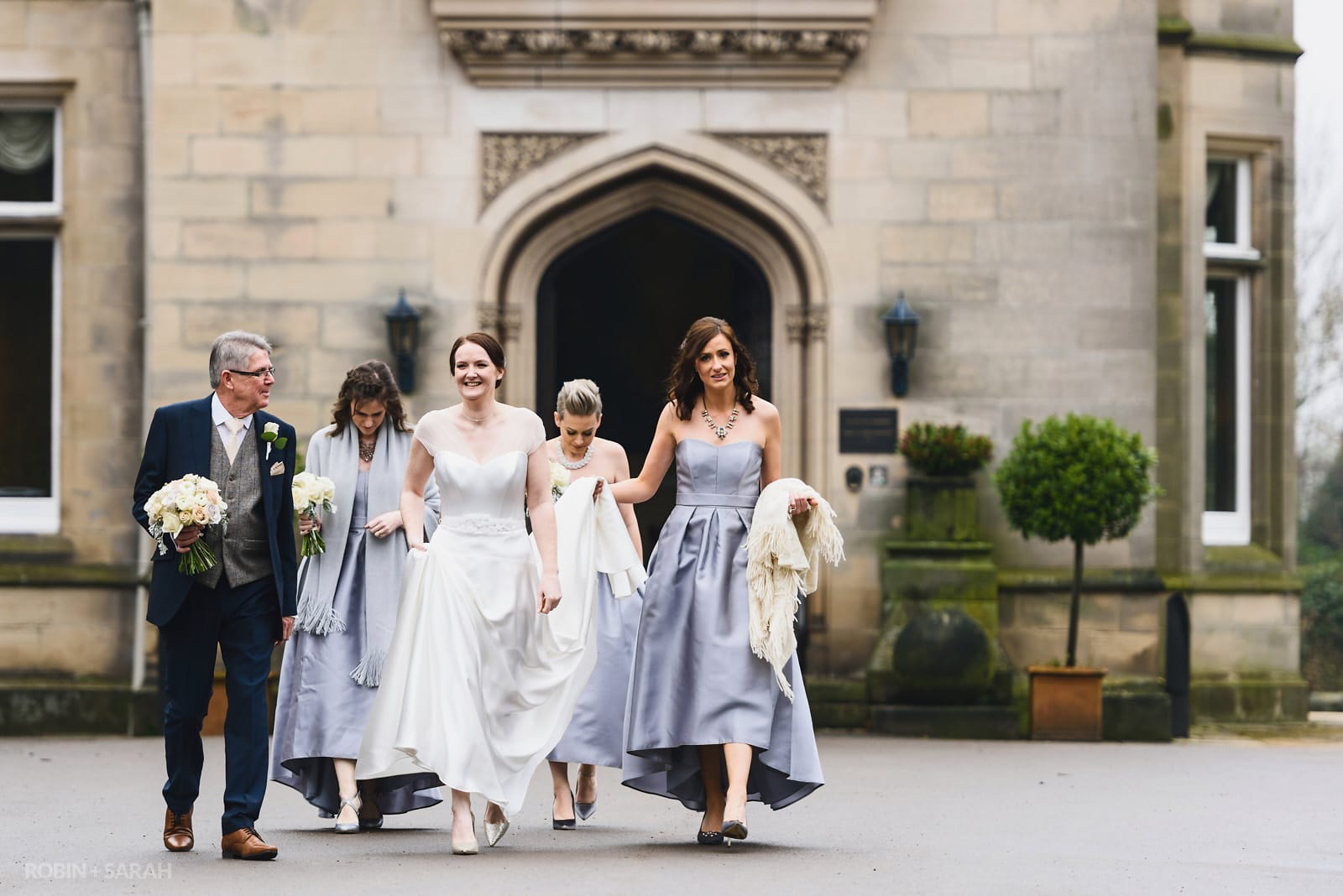
If at all possible, we love to be at the ceremony venue a tad earlier than is strictly necessary. This is the first point in the day where everyone comes together and there’s some great little moments happening. Ushers handing out the order of service, old friends and family greeting and catching up. It could be said that this is where the wedding truly begins.
If you’ve booked the two of us, Sarah will likely be at the ceremony location first, so as well as photographing more of the arrivals, she’ll try and find the vicar, priest or officiant and talk through how we work, find out which positions we can use.

How we work during the ceremony
Our priority throughout the ceremony is to be as invisible as possible. We never use flash. Our cameras are set to silent mode. We move as little as we can, and when we do move, we do it carefully and at moments when it won’t draw attention.
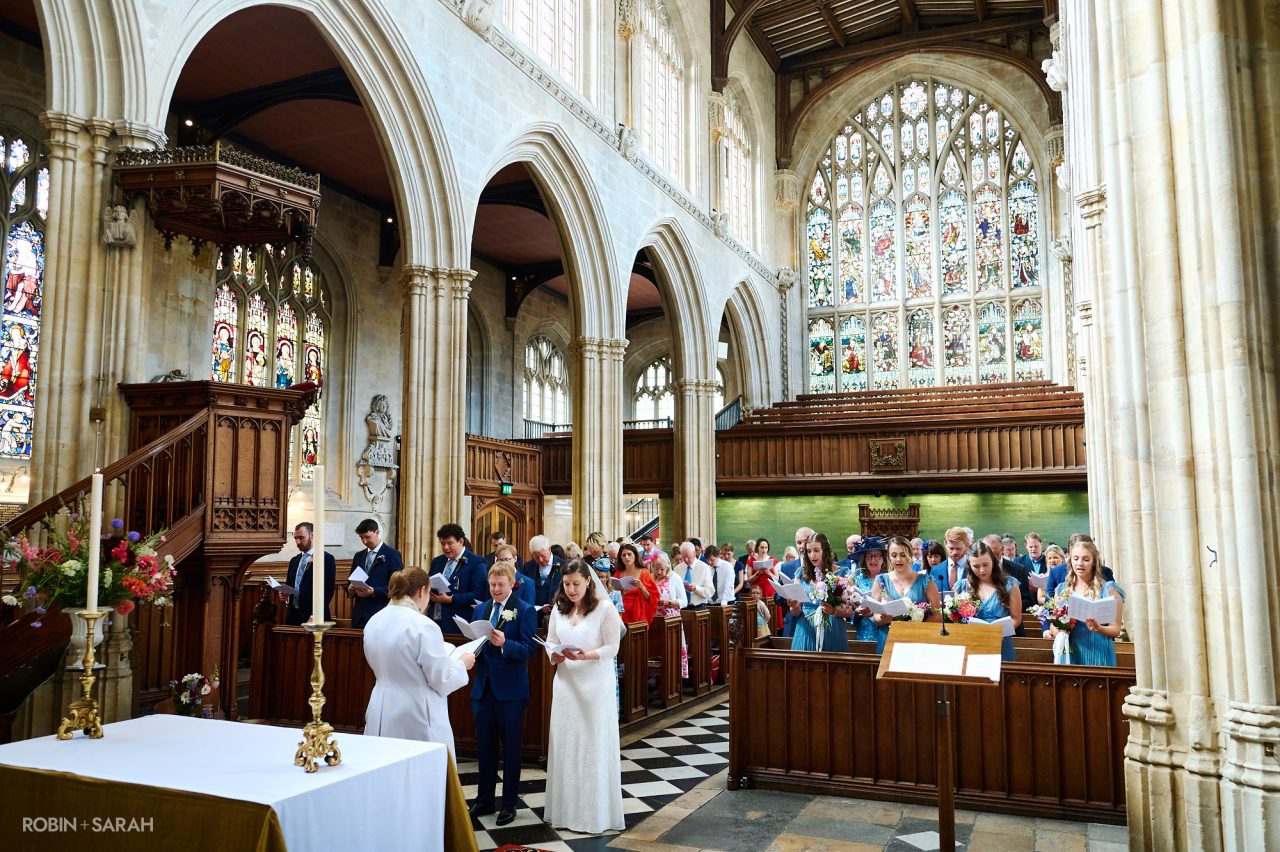
When both of us are there, Robin will typically be positioned at the front of the ceremony space and Sarah at the rear – which means the same moment can be captured simultaneously from opposite ends of the room as well as angles and perspectives that may not be possible with a single photographer working on their own.
The entrance in particular benefits enormously from this: the expression on the groom’s face and the bride’s walk up the aisle, caught at the same instant from two different perspectives, is something only two photographers can produce.
With Robin alone, he’ll position himself at the front where possible and stay there for the majority of the service, moving only when necessary and only when it won’t cause a distraction.
Working with officiants
The vast majority of ceremonies pass without any difficulty on the photography front. Most officiants – registrars, vicars, priests and celebrants – are perfectly happy with experienced, discreet photographers doing their job quietly in the background. Over the years we’ve built up a good sense of how to work within different environments and requirements.
Civil ceremony registrars have become increasingly relaxed in recent years and restrictions are rare. We’re sometimes asked not to photograph the register signing, which varies by county, but it’s rarely an issue. Roman Catholic ceremonies can involve positional restrictions, particularly at the front of the church, but these are usually straightforward to work around. Church of England vicars vary more widely – most are fine, but occasionally we encounter restrictions that are more limiting.
When restrictions do arise, they are almost always the result of a conversation that didn’t happen between the couple and the officiant before the wedding day. By the time guests are seated and the bride is minutes away from arriving, there is very little anyone can do. We’ll always state our case professionally and do our best to find a workable solution, but this isn’t something we can fix at the last moment.
If you’re being married in a church or by an officiant whose attitude to photography is unknown, it’s worth having a direct conversation with them well in advance. Make clear that your photographers are experienced and unobtrusive, and find out exactly what their expectations are. It rarely comes up, but when it does, the time to address it is weeks before the wedding – not minutes before the ceremony begins.
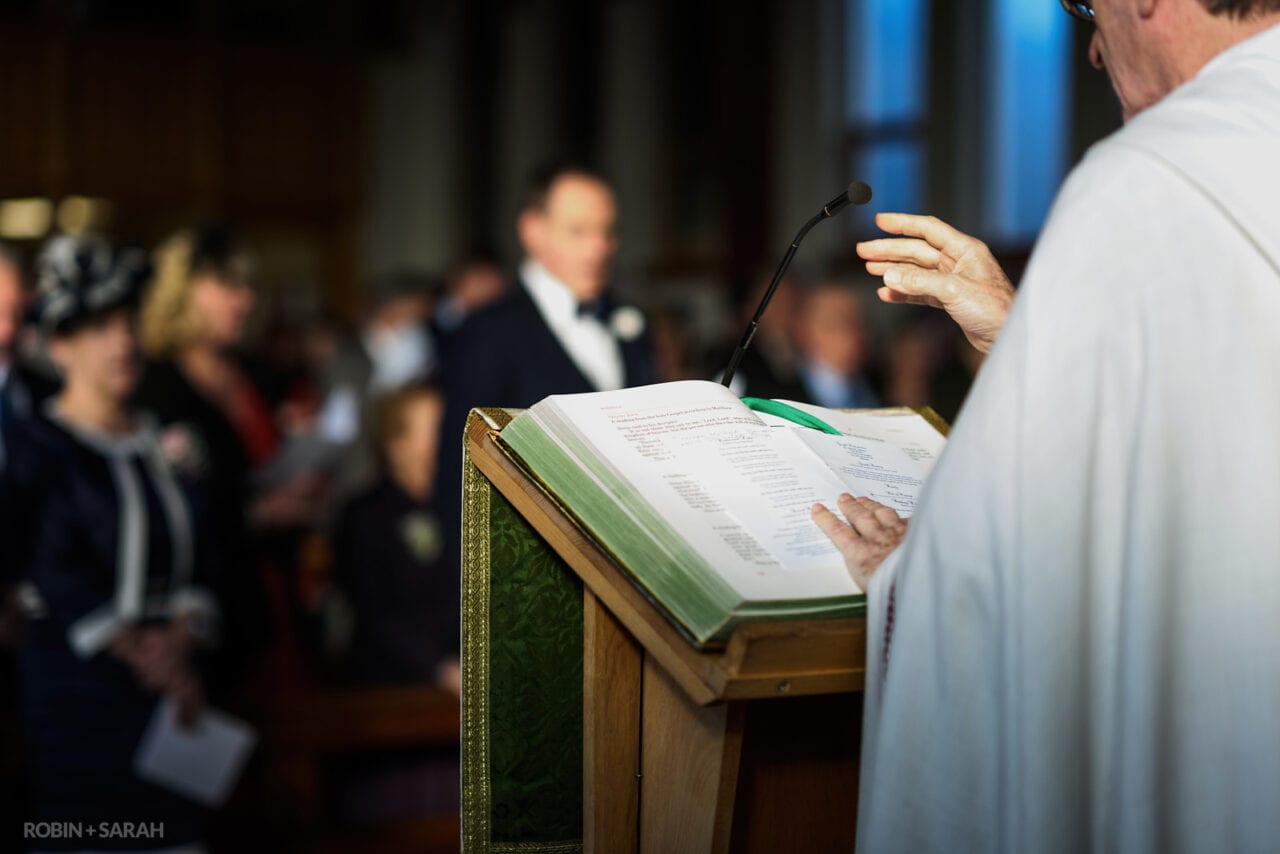
The moments we look for
The photographs we value most from a ceremony are rarely the formally composed ones. They’re the unplanned moments – the ones that happen because people forget, briefly, that there’s a camera in the room.
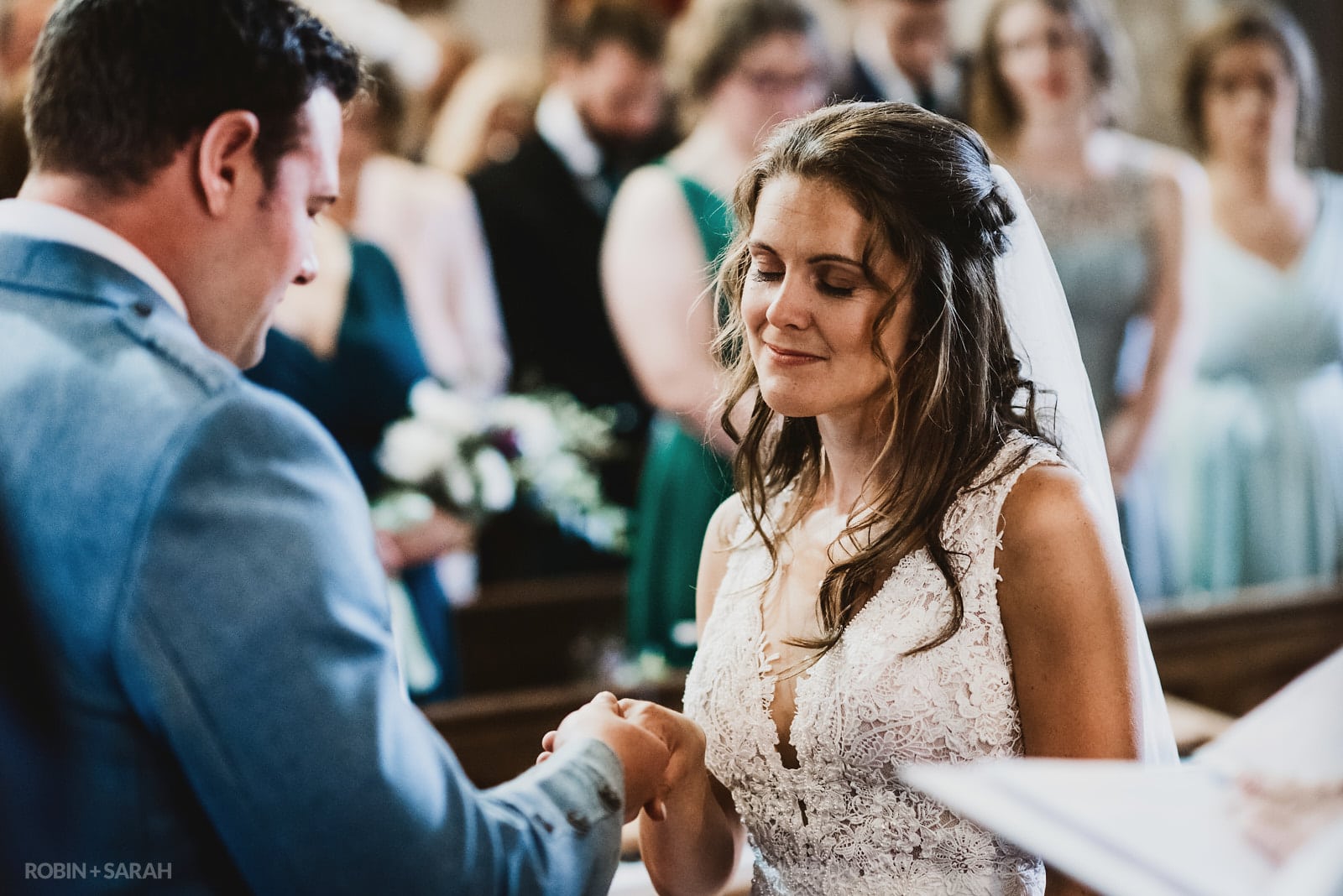
The groom turning to see the bride for the first time. The catch in someone’s voice during the vows. A father blinking back tears. The bride laughing at something that wasn’t supposed to be funny. A small pause – just a fraction of a second – where the weight of the moment lands on someone’s face before they pull themselves together. These are the things we’re watching for throughout the service, and they can happen at any point.
We’ve photographed enough ceremonies to know roughly where the emotional peaks tend to fall, but the best moments are always the ones nobody anticipated. Being ready for them, quietly and without fuss, is what we’re there for.


The little things
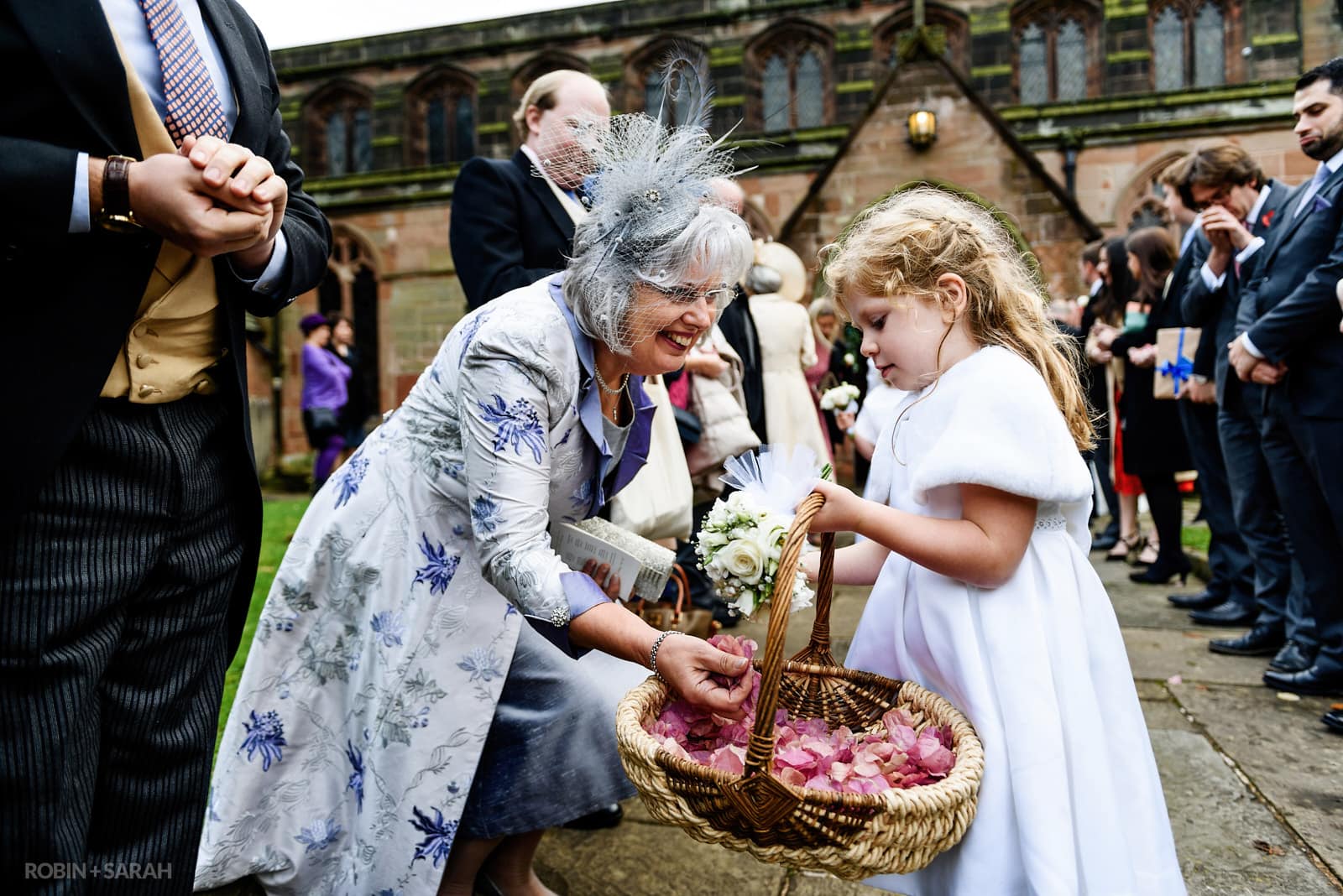
The couple are the centre of the ceremony, but they’re not the whole story. Some of our favourite photographs from any service come from letting the cameras wander — to the guests’ faces during the vows, to a small detail that says something about the day, to a moment happening quietly at the edge of the room while everyone else is looking straight ahead.
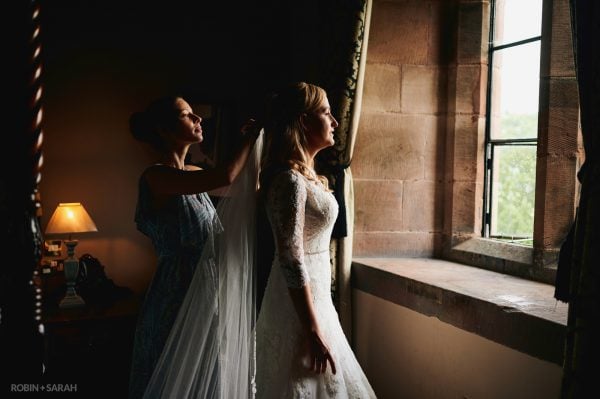
A small child losing the thread of proceedings. A bridesmaid trying not to cry. The best man’s hands turning the ring box over and over. A grandparent watching from the end of a pew. These details matter — they fill out the record of the day in a way that photographs of the couple alone never quite can.


The end of the ceremony, hugs, confetti and exit
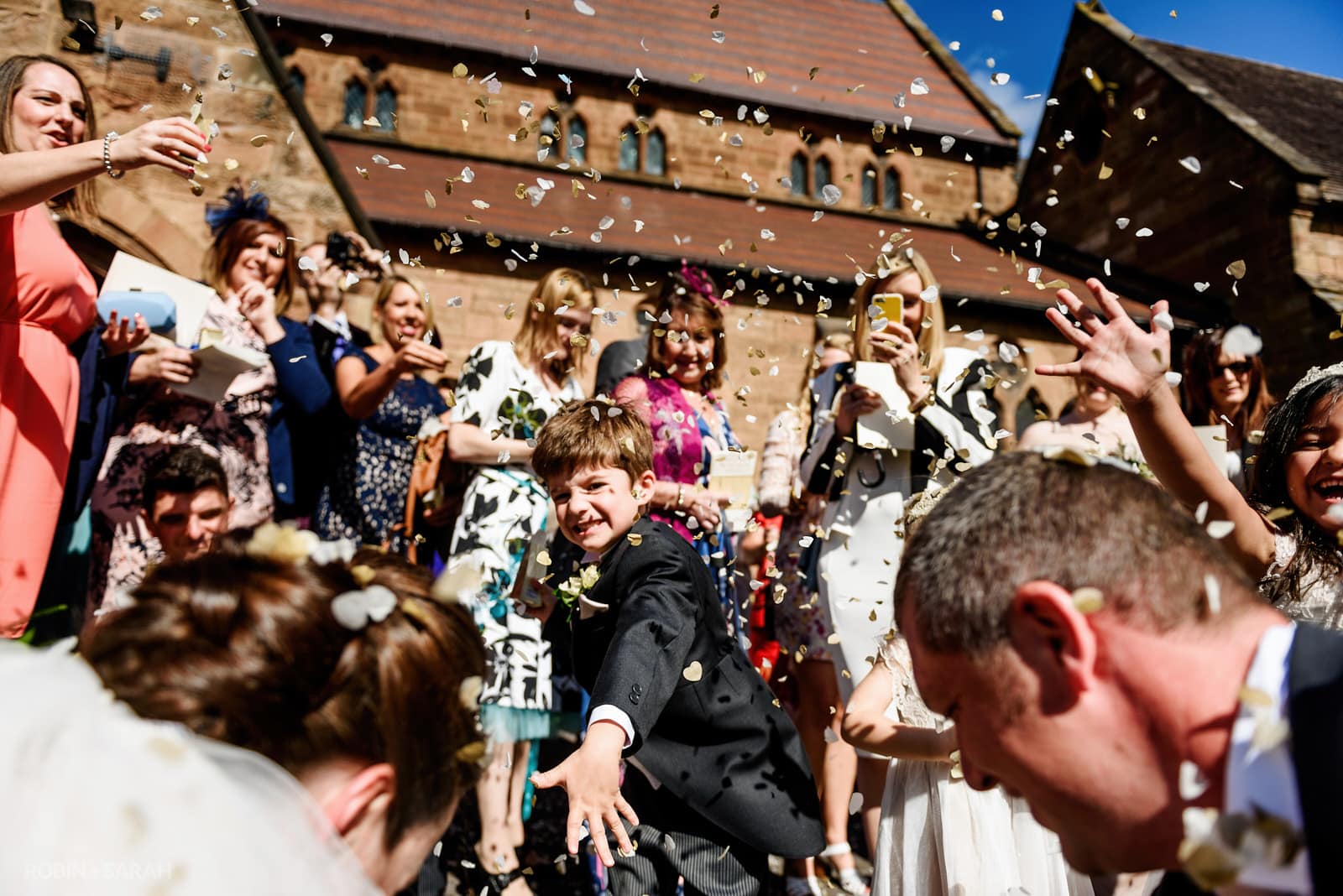
A kiss, a hug and maybe a punch in the air. The guests all clap and there’s smiles everywhere. The wedding ceremony is complete and all that remains is to sign the marriage register.
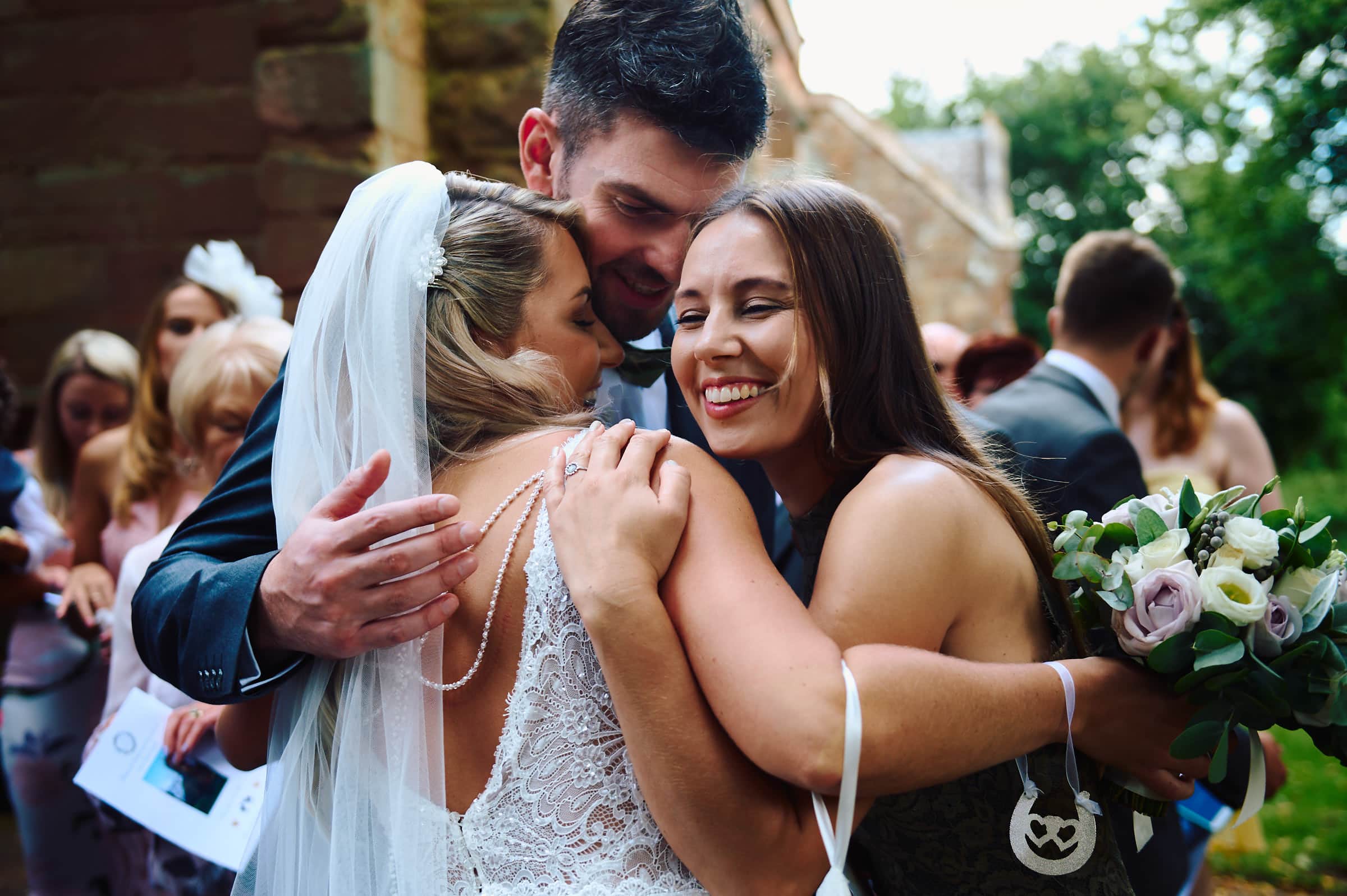
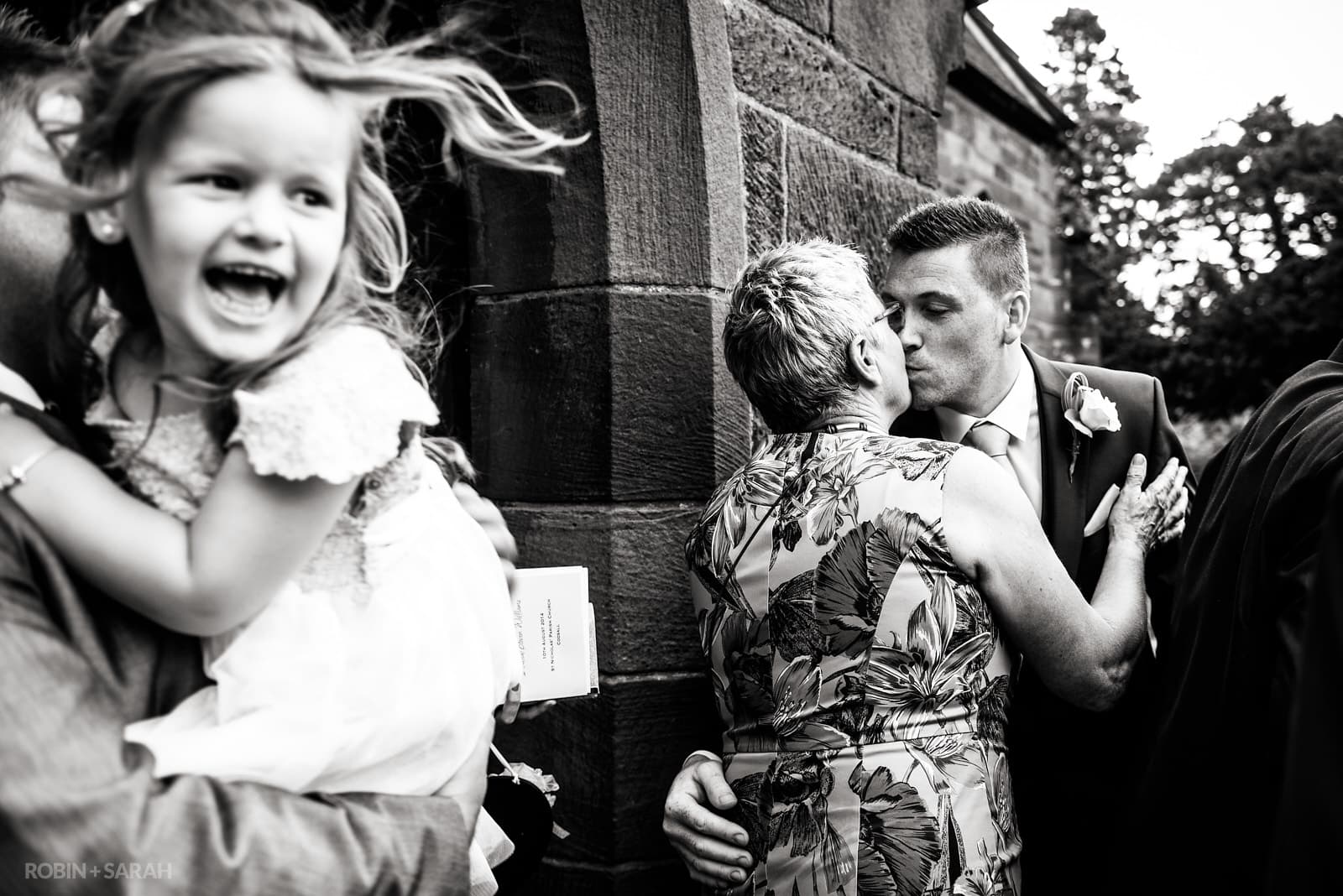
The few minutes immediately after the ceremony ends are some of the best of the entire day to photograph. The formality lifts in an instant, and what follows is a rush of entirely unguarded emotion — hugs, tears, laughter, relief. People are completely themselves in a way that’s rare at any other point in proceedings.
This is not a moment to be hurried through. With a full guest list, the exit from the ceremony space and the first round of congratulations can take fifteen minutes or more – and if the guest list is long, considerably longer. That’s time worth having. There is nothing else on the schedule that takes priority over it, and we’d encourage couples to resist any pressure – from venue staff or anyone else – to move things along before the moment has run its course.
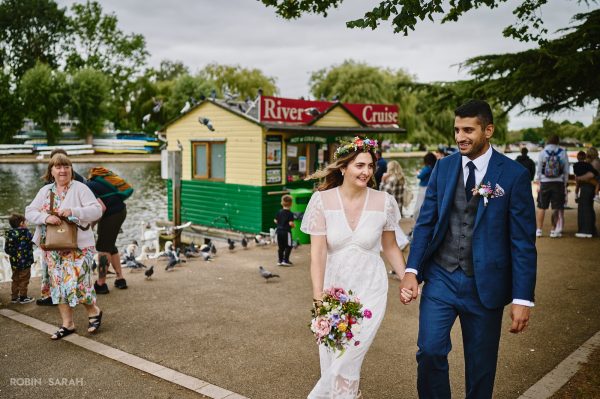
We’ll be working through all of it — the confetti if there is any, the embraces, the first photographs of the two of you as a married couple surrounded by the people who matter most.

One photographer or two
The ceremony is one of the most compelling arguments for having both of us there. The entrance moment alone — Robin at the front, Sarah at the back, the same instant from two ends of the room — produces something that simply isn’t possible with a single photographer.
There’s a full breakdown of how coverage differs across the whole day on our one photographer or two page.
Where next?
The wedding ceremony is the centrepiece of the day, but we have plenty more to show you. If you’d like to know more about how we approach a specific part of the day, these links cover each section in detail.
If you’re ready to talk about your wedding, we’d love to hear from you. Take a look at our packages and pricing, or get in touch directly to arrange a conversation.